

THIS SITE IS INTENDED FOR U.S. HEALTHCARE PROFESSIONALS ONLY

What is a growth disorder?

Every child experiences growth at a different rate. While many factors can affect growth, some children may have a medical condition known as a growth disorder. Growth disorders can hinder your child from developing normal height, weight, sexual maturity, or other characteristics.1

What is growth hormone
deficiency (GHD)?

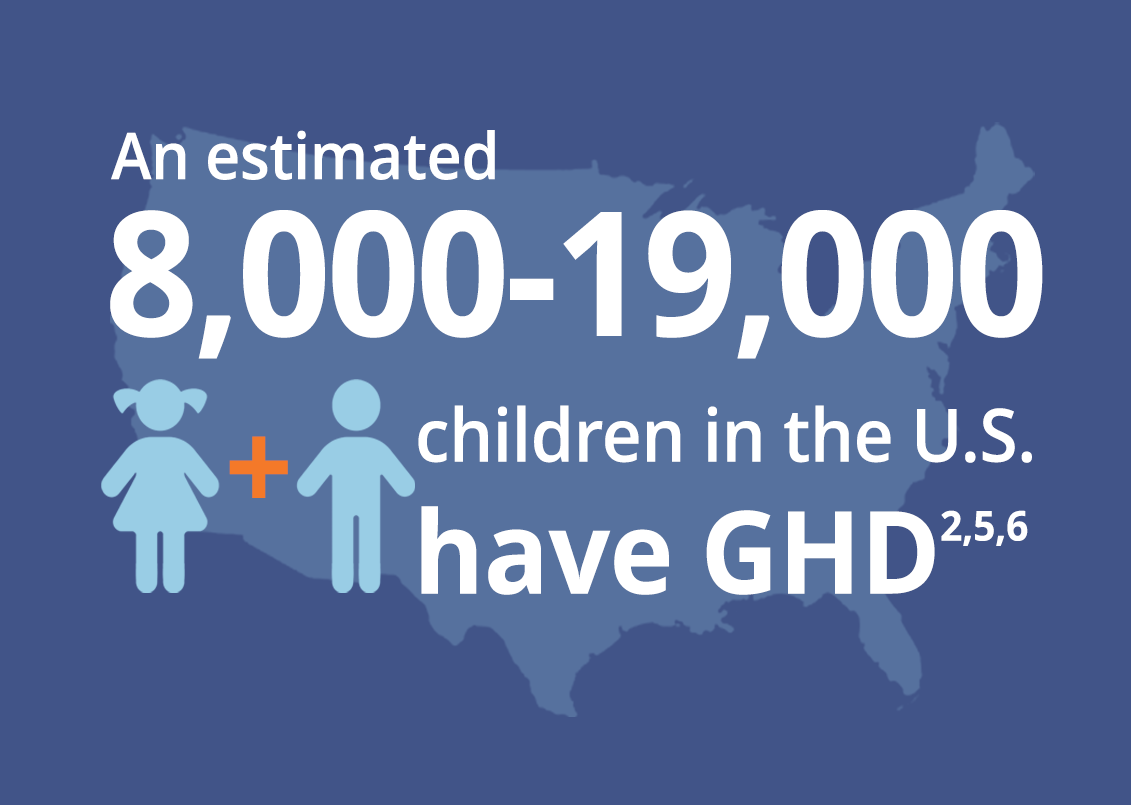
GHD is one of many growth disorders that a child can be born with, or can develop over time. The body’s pituitary gland produces somatropin, which is a growth hormone that helps the body develop into adulthood. When a child does not produce enough somatropin for normal development,
they can have a growth hormone deficiency.2-5
Congenital GHD

“Congenital GHD” means that a child was born with GHD. This is typically caused by a genetic mutation (change) or structural issue during brain development.7

Acquired GHD

“Acquired GHD” means the condition developed after birth as a result of damage to the pituitary gland. Children and adults can have acquired GHD.7

Idiopathic GHD

“Idiopathic” is a medical term that suggests there is no known cause. Some cases of GHD have an unknown cause.7

GHD can also occur in adults

Growth hormone plays an important role in bone health, muscle growth, and keeping the metabolism in balance. When adults are deficient in growth hormone, they can also experience changes in cholesterol levels and glucose metabolism.8

GHD in adults is commonly “acquired” and is typically a result of damage to the pituitary gland and/or hypothalamus from an accident or trauma (for example,
a head injury, surgery, or radiation treatment). The most common cause of Adult GHD is a pituitary tumor, which leads to low or no production of growth hormone.8

Adults with growth hormone deficiency may benefit from treatment with ZOMACTON.9

Diagnosing GHD in children

Diagnosis of GHD in children most often occurs within two age ranges. The first range begins around the age of 5,
when children begin school and parents can more easily compare their child’s height to other classmates. The
second is during their early teens since a delay in puberty can signal suspicion of GHD.7

GHD is diagnosed by using different tests, including7:

  • An assessment of the child’s medical and growth history
  • Lab tests to rule out other causes of short height
  • A blood test that measures growth hormone levels
  • MRI (image test) of the child’s pituitary gland or brain

What are some other
causes of growth failure?

GHD is just one reason some children experience slow or
no growth. There are many other medical conditions
that may also cause short stature in children. Here are a few, which ZOMACTON can treat. Individual results may vary.9
Short stature associated with Turner syndrome
Idiopathic short stature (ISS)
Short stature or growth failure in short stature
homeobox-containing gene (SHOX) deficiency
Small for Gestational Age (SGA) and have
not caught up in growth by age 2-4 years old

What is Turner syndrome?

Turner syndrome is a rare genetic disorder that affects 1 in 2500 females. It is caused by a problem with one of the two X chromosomes found in females. Girls with Turner syndrome often have short stature and loss of ovarian function. However, while some girls may have many physical differences and certain health problems, others may have few.10

Idiopathic short stature (ISS)

In ISS, the reason for a child’s short stature is unknown. Children with ISS are significantly shorter than 98.8% of other children of the same age and gender. However, there may be no detected medical reason for slowing growth.11

What is SHOX deficiency?

SHOX deficiency is a genetic disorder that is a common cause of short stature in children. SHOX is an important growth gene located on the X and Y chromosomes that plays a role in short stature in humans if the gene is mutated. In SHOX deficiency, short stature is mainly characterized by shortening of the extremities and can also be associated with Turner syndrome, Leri-Weill syndrome, and some cases of ISS.12

What is SGA?

SGA is a term used for babies who are born with a birth weight below the 3rd percentile, which means that they are smaller than most other babies born after the same number of weeks of gestation (time in womb). There are many factors that can lead to SGA, with up to 10% of live births being diagnosed with this condition. One of 10 children fail to achieve catch-up growth by age 2 and are often referred to as “short SGA.”13

Know when to see a doctor

Growth increments are the most important criteria in the diagnosis of GHD in children. The main sign of GHD in children is growth of less than 2 inches in height per year after a child’s third birthday.2,7

In addition to changes in growth, be aware of the signs listed below.
If you see them, seek the opinion of your pediatrician or a specialist,
such as a pediatric endocrinologist. Your child’s growth journey is unique. Beginning treatment early in their development period can help them achieve their full potential.

  • Slowed growth in height
  • Short stature
  • Young-looking face
  • Delayed tooth development
  • Delayed puberty
  • Low blood sugar levels (infants and toddlers)

Evaluating your child’s growth

Monitoring your child’s growth patterns is important for early identification of potential developmental issues.
You can do this by regularly measuring their length or height and comparing it to standard child growth trends recorded by the World Health Organization. Most children fall between
the 15th and 85th percentiles.


Birth-2 years of age

2-5 years of age

Questions to ask your doctor:

Should I be worried about my child’s height?
What tests show if there’s a growth deficiency?
What can I do about a possible growth deficiency?
What treatments are available?
How could my child’s growth be affected?
Where can I get more information and support?

Helpful resources

An organization providing advocacy, education, and support for children and adults with endocrine disorders.

A group focused on helping people access quality genetic services that are needed for comprehensive healthcare.

A patient advocacy organization dedicated to people with rare diseases and the groups that support them.

A nonprofit, voluntary organization dedicated to helping children and adults with growth disorders.

References: 1. MedlinePlus. Growth disorders. Accessed May 31, 2024. https://medlineplus.gov/growthdisorders.html 2. Endocrine Society. Growth hormone deficiency. Accessed October 16, 2024. https://www.endocrine.org/patient-engagement/endocrine-library/growth-hormone-deficiency 3. Nemours Children’s Health. Endocrine system. Accessed May 31, 2024. http://kidshealth.org/en/teens/endocrine.html# 4. Reh CS, Geffner ME. Somatropin in the treatment of growth hormone deficiency and Turner Syndrome in pediatric patients: a review. Clin Pharmacol. 2019;2:111-122. doi:10.2147/CPAA.S6525 5. John’s Hopkins Medicine. Growth hormone deficiency. Accessed May 31, 2024. https://www.hopkinsmedicine.org/health/
conditions-and-diseases/growth-hormone-deficiency 6. US Census Bureau 2020 Population Estimates. 7. Cleveland Clinic. Growth hormone deficiency (GHD). Accessed July 17, 2024. https://my.clevelandclinic.org/health/diseases/23343-growth-hormone-deficiency-ghd 8. The MAGIC Foundation. Endocrine Disorders. Accessed October 16, 2024. https://www.magicfoundation.org/growth-hormone-deficiency-in-adults 9. ZOMACTON [Prescribing Information]. Parsippany, NJ: Ferring Pharmaceuticals Inc. 10. The MAGIC Foundation. Turner syndrome. Accessed November 12, 2018. https://www.magicfoundation.org/Growth-Disorders/Turner-Syndrome/ 11. The MAGIC Foundation. Idiopathic short stature. Accessed October 16, 2024. https://www.magicfoundation.org/idiopathic-short-stature 12. Leka SK, Kitsiou-Tzeli S, Kalpini-Mavrou A, Kanavakis E. Short stature and dysmorphology associated with defects in the SHOX gene. Hormones. 2006;5(2):107-118. 13. The MAGIC Foundation. Small for gestational age.
Accessed November 12, 2018. https://www.magicfoundation.org/Growth-Disorders/Small-for-Gestational-Age/

ZOMACTON (somatropin) for Injection

Indications

ZOMACTON is a recombinant human growth hormone (GH) indicated for the treatment of pediatric patients with:

  • growth failure due to inadequate secretion of endogenous GH
  • short stature associated with Turner syndrome
  • idiopathic short stature (ISS)
  • short stature or growth failure in short stature homeobox-containing gene (SHOX) deficiency
  • short stature born small for gestational age (SGA) with no catch-up growth by 2 to 4 years

ZOMACTON is also indicated for the replacement of endogenous GH in adults with GH deficiency.

Contraindications

ZOMACTON is contraindicated in patients with:

  • acute critical illness
  • pediatric patients with Prader-Willi syndrome who are severely obese, have a history of upper airway obstruction or sleep apnea, or have severe respiratory impairment due to the risk of death
  • active malignancy
  • hypersensitivity to ZOMACTON, its excipients, or diluents. Systemic hypersensitivity reactions, including anaphylaxis and angioedema, have been reported with postmarketing use of somatropins
  • active proliferative or severe non-proliferative diabetic retinopathy
  • pediatric patients with closed epiphyses

Warnings and Precautions

Increased Risk of Neoplasm: Second neoplasms have occurred in childhood cancer survivors. Monitor patients with preexisting tumors for progression or recurrence.

Glucose Intolerance and Diabetes Mellitus: ZOMACTON may decrease insulin sensitivity, particularly at higher doses. Monitor glucose levels periodically, especially in patients with existing diabetes mellitus or at risk for development.

Intracranial Hypertension (IH): Has been reported usually within 8 weeks of initiation. Perform fundoscopic examinations prior to initiation and periodically thereafter. If papilledema occurs, stop treatment.

Hypersensitivity: Serious hypersensitivity reactions may occur, including anaphylaxis and angioedema; seek prompt medical attention.

Fluid Retention: May occur in adults and may be dose dependent.

Hypoadrenalism: Monitor patients for reduced serum cortisol levels or need for glucocorticoid dose increases in those with known hypoadrenalism.

Hypothyroidism: Monitor thyroid function periodically as hypothyroidism may occur or worsen after initiation of somatropin.

Slipped Capital Femoral Epiphysis in Pediatric Patients: May occur; evaluate patients with onset of a limp or hip/knee pain for slipped capital femoral epiphysis and osteonecrosis and manage accordingly.

Progression of Preexisting Scoliosis in Pediatric Patients: Monitor patients with scoliosis for progression.

Pancreatitis: Has been reported; consider pancreatitis in patients with abdominal pain, especially pediatric patients.

Risk of Serious Adverse Reactions in Infants due to Benzyl Alcohol Preservative: Serious and fatal adverse reactions can occur in neonates and infants treated with benzyl alcohol-preserved drugs, including the diluent for ZOMACTON 5 mg. If administering ZOMACTON 5 mg to infants, reconstitute with 0.9% sodium chloride injection.

Adverse Reactions

Common adverse reactions reported include: upper respiratory infection, fever, pharyngitis, headache, otitis media, edema, arthralgia, paresthesia, myalgia, carpal tunnel syndrome, peripheral edema, flu syndrome, hypothyroidism, hyperglycemia, and impaired glucose tolerance.

Drug Interactions

Glucocorticoids: Patients treated with glucocorticoids may require an increased dose.

Pharmacologic Glucocorticoid Therapy and Supraphysysiologic Glucocorticoid Treatment: Adjust dosing in pediatric patients to avoid hypoadrenalism or an inhibitory effect on growth.

Cytochrome P450-Metabolized Drugs: Monitor carefully if used with ZOMACTON as clearance may be altered.

Oral Estrogen: Larger doses of ZOMACTON may be required.

Insulin or Other Hypoglycemic Agents: Dose adjustment may be required.

Use In Specific Populations

Pregnancy and Lactation: If ZOMACTON 5 mg is needed, reconstitute with 0.9% sodium chloride injection or use the ZOMACTON 10 mg benzyl alcohol-free formulation.

Please see Full Prescribing Information for ZOMACTON.

ZOMACTON (somatropin) for Injection

Important Safety Information

Contraindications

ZOMACTON is contraindicated in patients with:

  • acute critical illness
  • pediatric patients with Prader-Willi syndrome who are severely obese, have a history of upper airway obstruction or sleep apnea, or have severe respiratory impairment due to the risk of death
  • active malignancy
  • hypersensitivity to ZOMACTON, its excipients, or diluents. Systemic hypersensitivity reactions, including anaphylaxis and angioedema, have been reported with postmarketing use of somatropins
  • active proliferative or severe non-proliferative diabetic retinopathy
  • pediatric patients with closed epiphyses

Warnings and Precautions

Increased Risk of Neoplasm: Second neoplasms have occurred in childhood cancer survivors. Monitor patients with preexisting tumors for progression or recurrence.

Glucose Intolerance and Diabetes Mellitus: ZOMACTON may decrease insulin sensitivity, particularly at higher doses. Monitor glucose levels periodically, especially in patients with existing diabetes mellitus or at risk for development.

Intracranial Hypertension (IH): Has been reported usually within 8 weeks of initiation. Perform fundoscopic examinations prior to initiation and periodically thereafter. If papilledema occurs, stop treatment.

Hypersensitivity: Serious hypersensitivity reactions may occur, including anaphylaxis and angioedema; seek prompt medical attention.

Fluid Retention: May occur in adults and may be dose dependent.

Hypoadrenalism: Monitor patients for reduced serum cortisol levels or need for glucocorticoid dose increases in those with known hypoadrenalism.

Hypothyroidism: Monitor thyroid function periodically as hypothyroidism may occur or worsen after initiation of somatropin.

Slipped Capital Femoral Epiphysis in Pediatric Patients: May occur; evaluate patients with onset of a limp or hip/knee pain for slipped capital femoral epiphysis and osteonecrosis and manage accordingly.

Progression of Preexisting Scoliosis in Pediatric Patients: Monitor patients with scoliosis for progression.

Pancreatitis: Has been reported; consider pancreatitis in patients with abdominal pain, especially pediatric patients.

Risk of Serious Adverse Reactions in Infants due to Benzyl Alcohol Preservative: Serious and fatal adverse reactions can occur in neonates and infants treated with benzyl alcohol-preserved drugs, including the diluent for ZOMACTON 5 mg. If administering ZOMACTON 5 mg to infants, reconstitute with 0.9% sodium chloride injection.

Adverse Reactions

Common adverse reactions reported include: upper respiratory infection, fever, pharyngitis, headache, otitis media, edema, arthralgia, paresthesia, myalgia, carpal tunnel syndrome, peripheral edema, flu syndrome, hypothyroidism, hyperglycemia, and impaired glucose tolerance.

Drug Interactions

Glucocorticoids: Patients treated with glucocorticoids may require an increased dose.

Pharmacologic Glucocorticoid Therapy and Supraphysysiologic Glucocorticoid Treatment: Adjust dosing in pediatric patients to avoid hypoadrenalism or an inhibitory effect on growth.

Cytochrome P450-Metabolized Drugs: Monitor carefully if used with ZOMACTON as clearance may be altered.

Oral Estrogen: Larger doses of ZOMACTON may be required.

Insulin or Other Hypoglycemic Agents: Dose adjustment may be required.

Use In Specific Populations

Pregnancy and Lactation: If ZOMACTON 5 mg is needed, reconstitute with 0.9% sodium chloride injection or use the ZOMACTON 10 mg benzyl alcohol-free formulation.

Please see Full Prescribing Information for ZOMACTON.

Indications

ZOMACTON is a recombinant human growth hormone (GH) indicated for the treatment of pediatric patients with:

  • growth failure due to inadequate secretion of endogenous GH
  • short stature associated with Turner syndrome
  • idiopathic short stature (ISS)
  • short stature or growth failure in short stature homeobox-containing gene (SHOX) deficiency
  • short stature born small for gestational age (SGA) with no catch-up growth by 2 to 4 years

ZOMACTON is also indicated for the replacement of endogenous GH in adults with GH deficiency.

ZOMACTON (somatropin) for Injection

Indications

ZOMACTON is a recombinant human growth hormone (GH) indicated for the treatment of pediatric patients with:

  • growth failure due to inadequate secretion of endogenous GH
  • short stature associated with Turner syndrome
  • idiopathic short stature (ISS)
  • short stature or growth failure in short stature homeobox-containing gene (SHOX) deficiency
  • short stature born small for gestational age (SGA) with no catch-up growth by 2 to 4 years

ZOMACTON is also indicated for the replacement of endogenous GH in adults with GH deficiency.

Contraindications

ZOMACTON is contraindicated in patients with:

  • acute critical illness
  • pediatric patients with Prader-Willi syndrome who are severely obese, have a history of upper airway obstruction or sleep apnea, or have severe respiratory impairment due to the risk of death
  • active malignancy
  • hypersensitivity to ZOMACTON, its excipients, or diluents. Systemic hypersensitivity reactions, including anaphylaxis and angioedema, have been reported with postmarketing use of somatropins
  • active proliferative or severe non-proliferative diabetic retinopathy
  • pediatric patients with closed epiphyses

Warnings and Precautions

Increased Risk of Neoplasm: Second neoplasms have occurred in childhood cancer survivors. Monitor patients with preexisting tumors for progression or recurrence.

Glucose Intolerance and Diabetes Mellitus: ZOMACTON may decrease insulin sensitivity, particularly at higher doses. Monitor glucose levels periodically, especially in patients with existing diabetes mellitus or at risk for development.

Intracranial Hypertension (IH): Has been reported usually within 8 weeks of initiation. Perform fundoscopic examinations prior to initiation and periodically thereafter. If papilledema occurs, stop treatment.

Hypersensitivity: Serious hypersensitivity reactions may occur, including anaphylaxis and angioedema; seek prompt medical attention.

Fluid Retention: May occur in adults and may be dose dependent.

Hypoadrenalism: Monitor patients for reduced serum cortisol levels or need for glucocorticoid dose increases in those with known hypoadrenalism.

Hypothyroidism: Monitor thyroid function periodically as hypothyroidism may occur or worsen after initiation of somatropin.

Slipped Capital Femoral Epiphysis in Pediatric Patients: May occur; evaluate patients with onset of a limp or hip/knee pain for slipped capital femoral epiphysis and osteonecrosis and manage accordingly.

Progression of Preexisting Scoliosis in Pediatric Patients: Monitor patients with scoliosis for progression.

Pancreatitis: Has been reported; consider pancreatitis in patients with abdominal pain, especially pediatric patients.

Risk of Serious Adverse Reactions in Infants due to Benzyl Alcohol Preservative: Serious and fatal adverse reactions can occur in neonates and infants treated with benzyl alcohol-preserved drugs, including the diluent for ZOMACTON 5 mg. If administering ZOMACTON 5 mg to infants, reconstitute with 0.9% sodium chloride injection.

Adverse Reactions

Common adverse reactions reported include: upper respiratory infection, fever, pharyngitis, headache, otitis media, edema, arthralgia, paresthesia, myalgia, carpal tunnel syndrome, peripheral edema, flu syndrome, hypothyroidism, hyperglycemia, and impaired glucose tolerance.

Drug Interactions

Glucocorticoids: Patients treated with glucocorticoids may require an increased dose.

Pharmacologic Glucocorticoid Therapy and Supraphysysiologic Glucocorticoid Treatment: Adjust dosing in pediatric patients to avoid hypoadrenalism or an inhibitory effect on growth.

Cytochrome P450-Metabolized Drugs: Monitor carefully if used with ZOMACTON as clearance may be altered.

Oral Estrogen: Larger doses of ZOMACTON may be required.

Insulin or Other Hypoglycemic Agents: Dose adjustment may be required.

Use In Specific Populations

Pregnancy and Lactation: If ZOMACTON 5 mg is needed, reconstitute with 0.9% sodium chloride injection or use the ZOMACTON 10 mg benzyl alcohol-free formulation.

Please see Full Prescribing Information for ZOMACTON.

ZOMACTON (somatropin) for Injection

Important Safety Information

Contraindications

ZOMACTON is contraindicated in patients with:

  • acute critical illness
  • pediatric patients with Prader-Willi syndrome who are severely obese, have a history of upper airway obstruction or sleep apnea, or have severe respiratory impairment due to the risk of death
  • active malignancy
  • hypersensitivity to ZOMACTON, its excipients, or diluents. Systemic hypersensitivity reactions, including anaphylaxis and angioedema, have been reported with postmarketing use of somatropins
  • active proliferative or severe non-proliferative diabetic retinopathy
  • pediatric patients with closed epiphyses

Warnings and Precautions

Increased Risk of Neoplasm: Second neoplasms have occurred in childhood cancer survivors. Monitor patients with preexisting tumors for progression or recurrence.

Glucose Intolerance and Diabetes Mellitus: ZOMACTON may decrease insulin sensitivity, particularly at higher doses. Monitor glucose levels periodically, especially in patients with existing diabetes mellitus or at risk for development.

Intracranial Hypertension (IH): Has been reported usually within 8 weeks of initiation. Perform fundoscopic examinations prior to initiation and periodically thereafter. If papilledema occurs, stop treatment.

Hypersensitivity: Serious hypersensitivity reactions may occur, including anaphylaxis and angioedema; seek prompt medical attention.

Fluid Retention: May occur in adults and may be dose dependent.

Hypoadrenalism: Monitor patients for reduced serum cortisol levels or need for glucocorticoid dose increases in those with known hypoadrenalism.

Hypothyroidism: Monitor thyroid function periodically as hypothyroidism may occur or worsen after initiation of somatropin.

Slipped Capital Femoral Epiphysis in Pediatric Patients: May occur; evaluate patients with onset of a limp or hip/knee pain for slipped capital femoral epiphysis and osteonecrosis and manage accordingly.

Progression of Preexisting Scoliosis in Pediatric Patients: Monitor patients with scoliosis for progression.

Pancreatitis: Has been reported; consider pancreatitis in patients with abdominal pain, especially pediatric patients.

Risk of Serious Adverse Reactions in Infants due to Benzyl Alcohol Preservative: Serious and fatal adverse reactions can occur in neonates and infants treated with benzyl alcohol-preserved drugs, including the diluent for ZOMACTON 5 mg. If administering ZOMACTON 5 mg to infants, reconstitute with 0.9% sodium chloride injection.

Adverse Reactions

Common adverse reactions reported include: upper respiratory infection, fever, pharyngitis, headache, otitis media, edema, arthralgia, paresthesia, myalgia, carpal tunnel syndrome, peripheral edema, flu syndrome, hypothyroidism, hyperglycemia, and impaired glucose tolerance.

Drug Interactions

Glucocorticoids: Patients treated with glucocorticoids may require an increased dose.

Pharmacologic Glucocorticoid Therapy and Supraphysysiologic Glucocorticoid Treatment: Adjust dosing in pediatric patients to avoid hypoadrenalism or an inhibitory effect on growth.

Cytochrome P450-Metabolized Drugs: Monitor carefully if used with ZOMACTON as clearance may be altered.

Oral Estrogen: Larger doses of ZOMACTON may be required.

Insulin or Other Hypoglycemic Agents: Dose adjustment may be required.

Use In Specific Populations

Pregnancy and Lactation: If ZOMACTON 5 mg is needed, reconstitute with 0.9% sodium chloride injection or use the ZOMACTON 10 mg benzyl alcohol-free formulation.

Please see Full Prescribing Information for ZOMACTON.

Indications

ZOMACTON is a recombinant human growth hormone (GH) indicated for the treatment of pediatric patients with:

  • growth failure due to inadequate secretion of endogenous GH
  • short stature associated with Turner syndrome
  • idiopathic short stature (ISS)
  • short stature or growth failure in short stature homeobox-containing gene (SHOX) deficiency
  • short stature born small for gestational age (SGA) with no catch-up growth by 2 to 4 years

ZOMACTON is also indicated for the replacement of endogenous GH in adults with GH deficiency.